Fencing Worcester Companies

Selecting the appropriate fencing worcester material for your fence can have a considerable impact on looks, upkeep, longevity, and price. The two most used fencing materials in Birmingham and the surrounding West Midlands region are timber and composite fencing. But which is best for you?

Here’s a head-to-head comparison of both materials to assist you in an informed choice.

Aesthetic Appeal

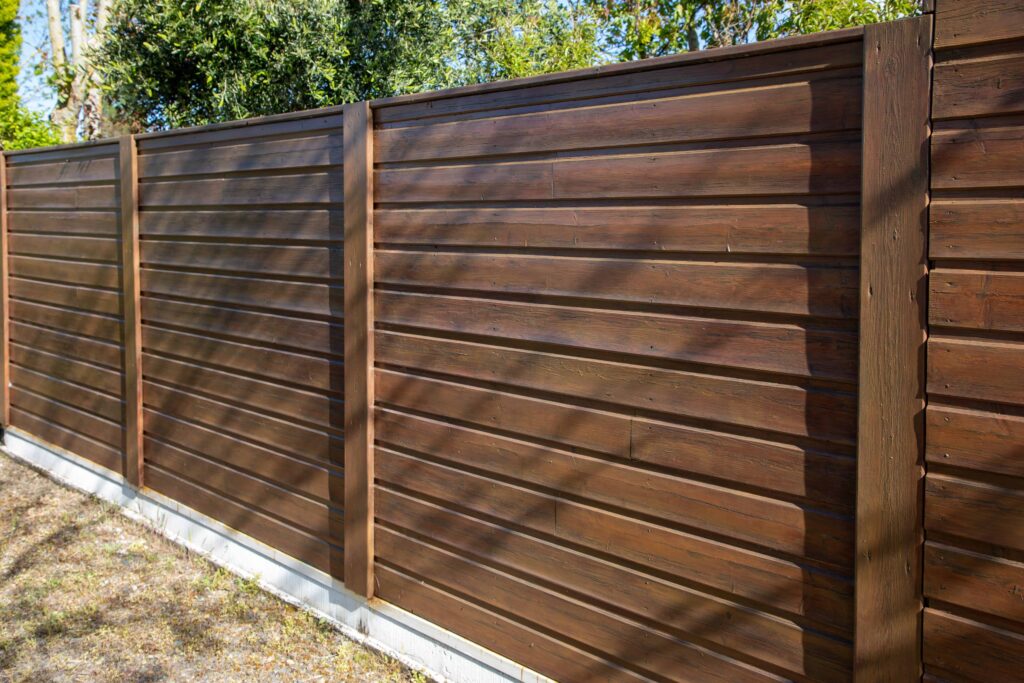
Timber fencing provides a traditional, natural appearance that works well with traditional and contemporary homes. It has a warm, natural wood texture and is available in weathered, earthy colours, and this makes it a preferred choice for garden fences throughout Birmingham.

Composite fencing, however, gives a clean, modern look with smooth lines and colour consistency. It comes in colours such as grey, brown, and black and can provide a modern, low-maintenance appearance that works well with newer architecture.

✅ Select timber for personality and character

✅ Select composite for modern sophistication

Durability and Life Expectancy

In Birmingham’s unpredictable weather, composite fencing is at the top. A product that is made out of recycled wood and plastic will surely it will last for quite some time. This material is proven to last up to 30 years with less maintenance.

Timber fencing, particularly pressure-treated fencing, is tough but needs to be regularly treated in order not to rot and weather. This type of material is built to last around 10 to 15 years.

✅ Composite victories for long-term longevity

Maintenance Requirements

Composite fencing’s low maintenance is one of the primary reasons Birmingham homeowners prefer it. It doesn’t need to be stained, painted, or sealed. Simply a splash of water now and then maintains its new look.

Although Timber looks elegant, this material requires yearly treatment and frequent washing to maintain its strength and freshness. Weather and insect damage may cause the boards to be replaced in time.

✅ Composite wins again for convenience

Cost Comparison

Timber fencing is less expensive initially, so it’s a cost-cutting solution for landlords or those redecorating on a shoestring.

Composite fencing is more expensive initially, but saves money in the long term with less maintenance and fewer repairs.

Here’s a rough cost comparison (2025 prices):

Timber: £50–£100 per panel (fitted)

Composite: £100–£150 per panel (fitted)

✅ Timber wins for short-term savings

✅ Composite victories for long-term value

Environmental Impact

Wood is a renewable resource if obtained from FSC-certified suppliers of wood. It does have tree harvesting and normally has chemical treatments.

It is more sustainable in the long run because it has a longer lifespan and requires fewer chemical treatments.

✅ Composite is superior for long-term sustainability

Installation and Flexibility

Both materials are relatively easy to install, but timber is easier to modify on-site, making it better for irregular landscapes or bespoke layouts.

Composite panels often come in pre-set sizes and may require more structured installation methods, but they result in cleaner finishes and straighter lines.

✅ Timber wins for flexibility

✅ Composite wins for neat, uniform installation

So, Which One Wins in the West Midlands?

If you’re a Birmingham homeowner looking for:

An affordable, natural fence that does not begrudge regular maintenance → Timber fencing is the way to go.

A low-maintenance, contemporary solution with long-term advantages → Composite fencing is the best option.

Need Assistance Selecting? Let’s Discuss Fencing

We at Fencing Birmingham supply and install both timber and composite fencing throughout Birmingham and the West Midlands. We will take you through samples, give you a free quote, and help you decide on the best fit for your home or business.

Book a home visit, give us a phone call!


Everybody deserves the garden fence they want so here are some tips that you should know before, during and after your fence is erected. However, do remember that some of these tips apply on certain cases only and not for every garden fence in the book. So gauge how you’d want your garden fence to be and may these tips may be of great help for you.

  1. Know what the fence is for and plan ahead. Though this is s probably self-explanatory, for your benefit, let us break it down for you. Garden fences differ based on their purpose. Therefore, it is necessary to understand what your goal is for putting up a fence around your lawn or residence. Is it for keeping the pets in, keeping animals out or simply an aesthetic touch? Whatever your reason is, it must be the first thing to be clear so you’d have a direction in your project. Moreover, planning ahead keeps you from unnecessary purchases which save you money.

  2. Know the materials you are dealing with and prepare them. When you have the type of garden fence you want, the kind of materials you would be using will follow. Traditional garden fences still go with wood/timber while new materials are preferred for fences today like steel, aluminium and vinyl. However, if you do go with wood and/or timber, remember to soak them in wood preservatives for at least 24 hours before the day you are installing them. This helps prolong their “life.”

  3. Make it a habit to maintain the quality of your fence. Some often think that once the fence is coated with preservatives/sealants, the quality is not affected by other variables. Sadly, there are a lot of other viable reasons as to why fences deteriorate faster than it should be. It can be due to elemental factors such as snow, animals like termites, and even the most disregarded one – dirt. Therefore, it is really important (and we can’t stress this enough) to do some routine maintenance every once in a while. This includes cleaning or washing the panels and the gates, repainting them, tightening the fixtures and serious damage control for other instances.

  4. Keep your fence simple. Depending on the purpose of the garden fence, there is a certain extent of weight capacity a fence could hold. This means that you should not over decorate your fences. It is good to have a few but keep them light. The added weight of the things you hang or post in your fence actually hastens it deterioration. Anyway, simplicity is still beauty.

  5. Have a professional’s number. Some work in your garden fence, pre and post, requires intricate work and accuracy. Hence, having a professional in reach is important. This ensures that your fence is on its peak shape and they could diagnose how your fence is doing or if it needs adjustments and small repairs. You can always do the small things on your own but do not forget to get help once you need it.

There you go, five helpful tips that you could consider and implement to have a successful garden fence. Now go and plan your future wonderful fence and send us some pictures when they are done.…

It’s hard to live in a quieter environment in the apartment infested metros. It is counted as a luxury these days. Every homeowner loves to live in a quieter home, unless you reside in a remote area. Noise population is something that cannot be overlooked. It impacts levels of your stress, privacy and sleep. Any of the three factors can cause damage to your psyche. Don’t let the noise vibrate your sensitive eardrum. Here are a few pointers on getting a quieter home, even if you live in a noisy area.

Eliminate the sound sources:

Prefer buying quieter appliances starting from your next shopping trip. It includes quieter kitchen appliances, quieter fans and so on. Keep the quieter appliances near living and sleeping area. Invest in maintenance of existing appliance for a noise free household. Don’t let your squeaky fan ruin your day.

Sound absorbing construction:

Use materials which absorb and reduce unwanted sound. Numerous items can be a barrier to absorb or reflect noise. Be street smart in picking up these items. Such acoustic barriers stop outdoor noise from entering your peaceful home environment. They come in handy to absorb the interior noise too.

Sound blocking doors:

Doors are the biggest opening into your building. Most part of the sound enters this way. A solid way to block unwanted sound entering through your door is installing weather-strip. These solid doors will be pricier. The extra thickness accounts for the extra cost. These doors are available in broader spectrum of elegance.

Interior soundproofing:

The unwanted outdoor sounds don’t come through the door itself. It enters through the hollow spaces surrounding the door. Thus, it makes sense to weatherstrip the doors that lead to home entrance. Use adhesively backed foam tapes all around. It effectively blocks away the noise from outside.…